
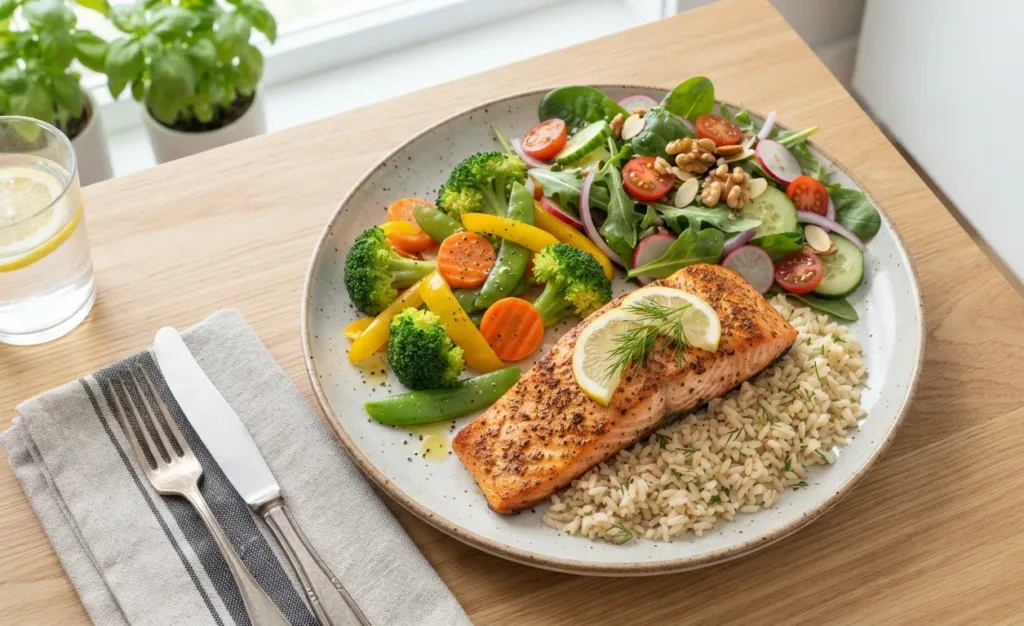
The DASH Diet: What It Is and Why It Lowers Blood Pressure
The DASH diet has more clinical trial evidence behind its blood pressure benefits than almost any other dietary pattern. Here’s what it is, why it works, and how to start.
The DASH diet has more clinical trial evidence behind its blood pressure benefits than almost any other dietary pattern. Here’s what it is, why it works, and how to start.

Eating on a budget doesn’t have to mean giving up nutrition or variety. Here’s the complete guide to affordable, nutrient-dense meal planning, smart shopping, and reducing food waste.
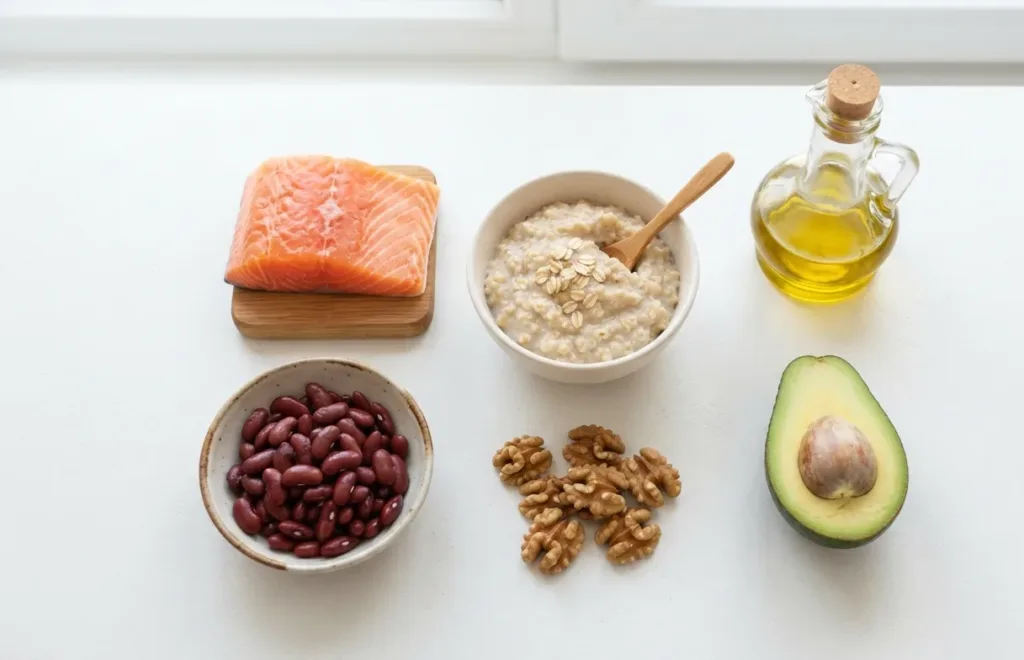
Dietary cholesterol matters less than saturated fat for most people’s LDL levels. Here’s what the current evidence actually shows about managing cholesterol through diet — soluble fiber, saturated fat, plant sterols, and the specific foods with the strongest evidence.
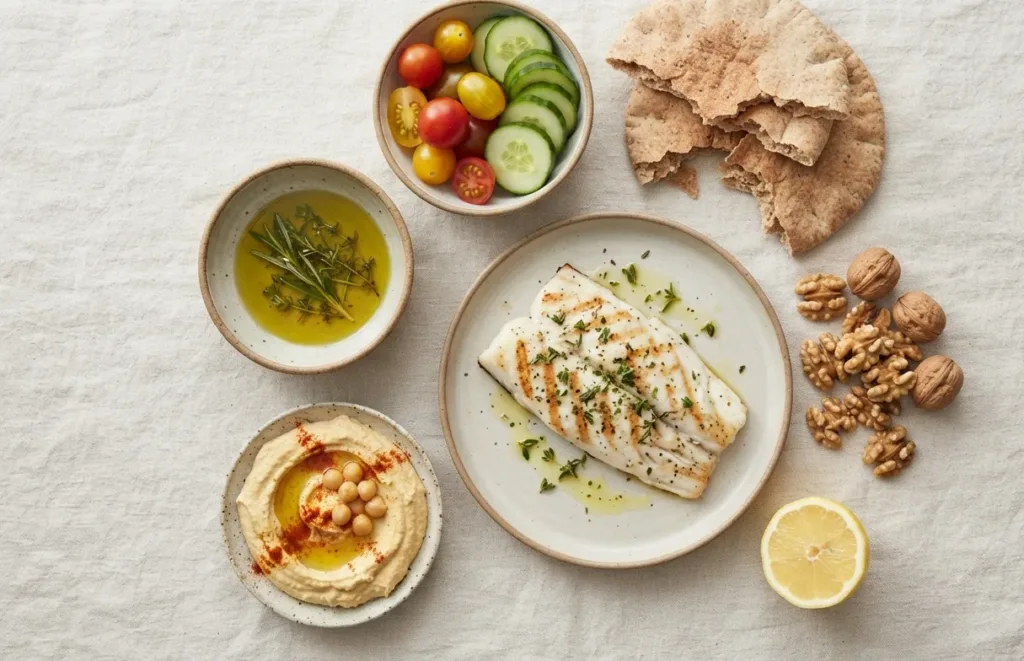
The Mediterranean diet has more rigorous evidence behind it than any other named dietary pattern. Here’s what it actually consists of, the specific health outcomes it’s associated with, and how to adopt the pattern without starting over.

The average American consumes 3x the recommended added sugar daily — mostly not from obvious sweet foods. Here’s where hidden sugar accumulates, how to read the 60+ names for it on labels, and what to actually change.

After 30, muscle loss begins. After 60, it accelerates. Protein is the central nutritional intervention — but the standard RDA may not be enough. Here’s what the updated research shows about protein needs with age.
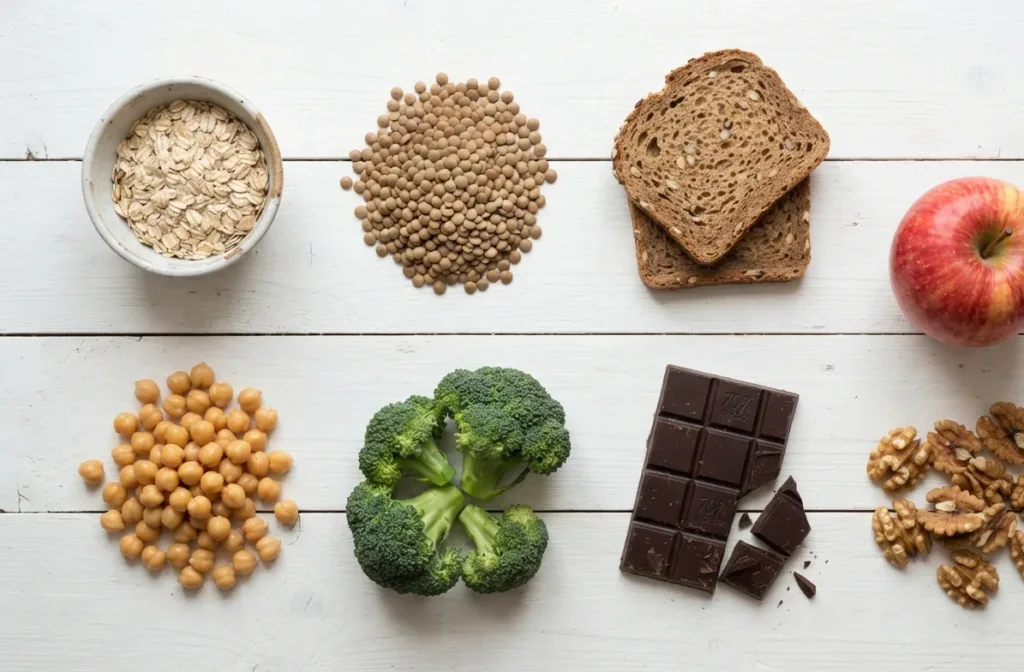
More than 90% of Americans don’t get enough dietary fiber — the nutrient with one of the strongest evidence bases in nutritional science. Here’s what it does, why types matter, and how to close the gap.
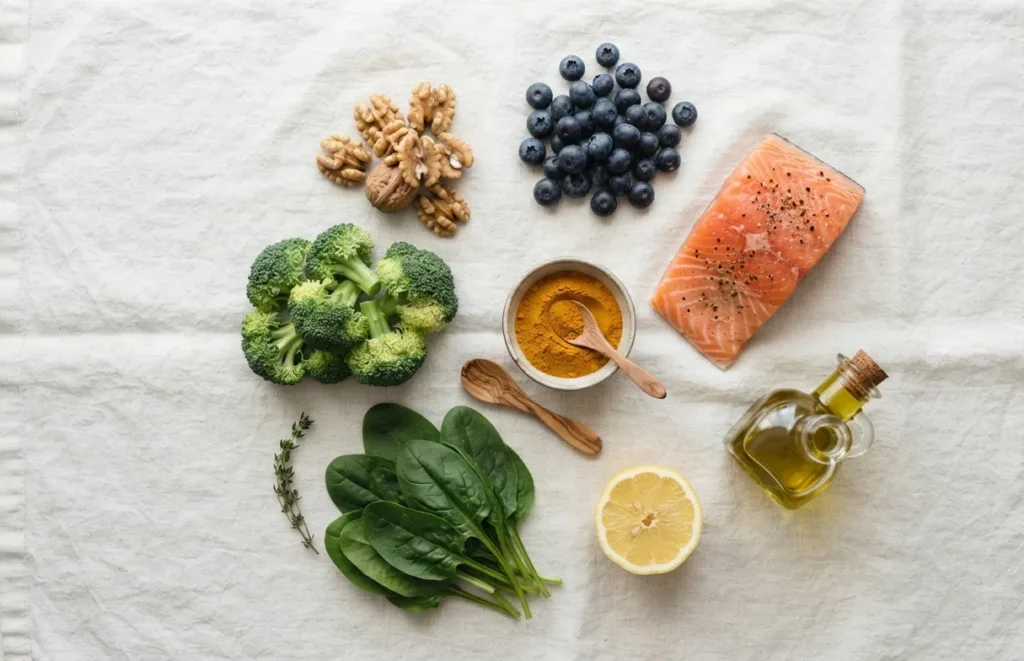
Anti-inflammatory foods can measurably reduce chronic inflammation — one of the underlying drivers of heart disease, diabetes, and cognitive decline. Here’s what the research actually supports and how to apply it.

Eating for gut health is simpler than the wellness industry suggests — and the evidence points to two dietary factors more consistently than anything else. Here’s what they are and how to apply them.
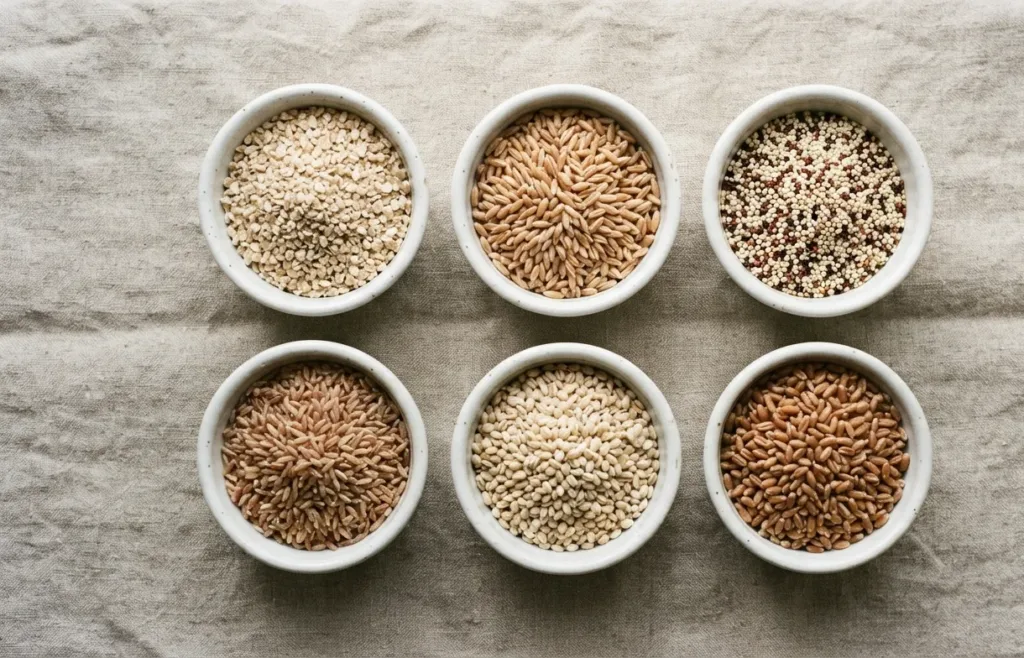
Whole grains have decades of robust evidence behind them, including lower cardiovascular and cancer mortality. Here’s what they actually are, why they work, and how to eat more of them.