Why Healthy Snacking Advice So Often Backfires
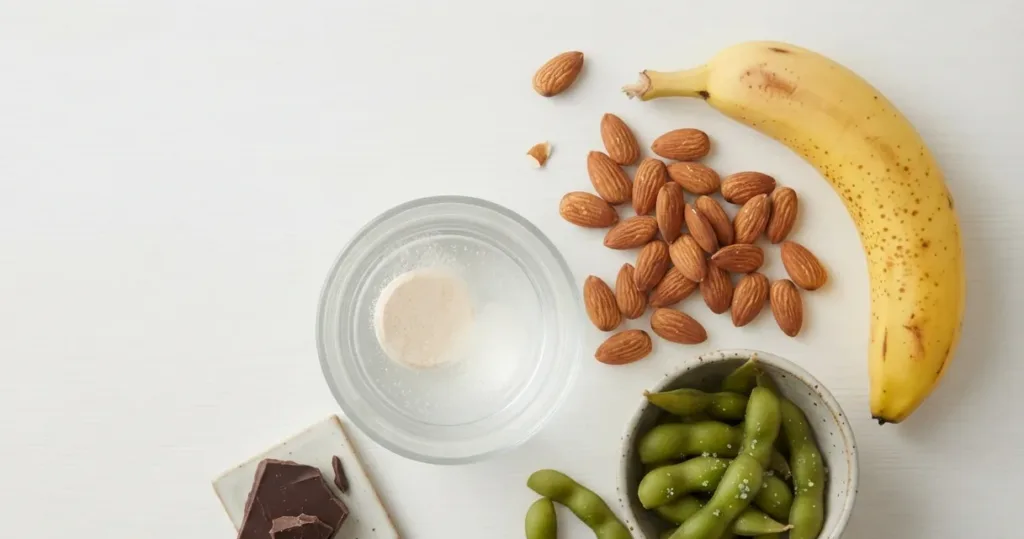
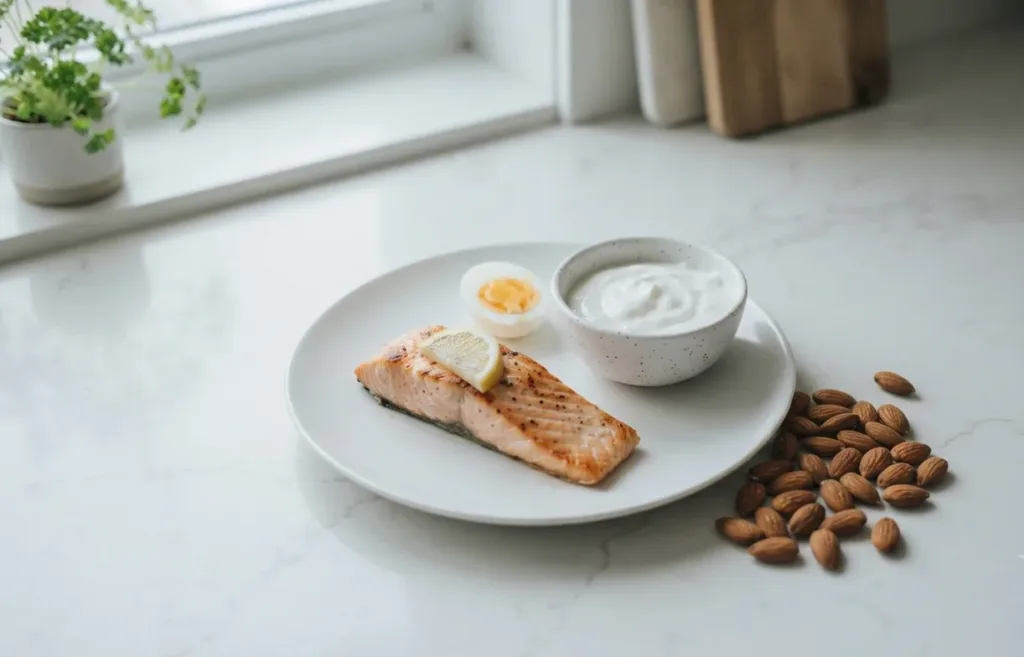
Most snacking advice ignores why people actually eat between meals. Here’s how to think about it correctly, what makes a snack actually work, and why some ‘healthy’ options make hunger worse.
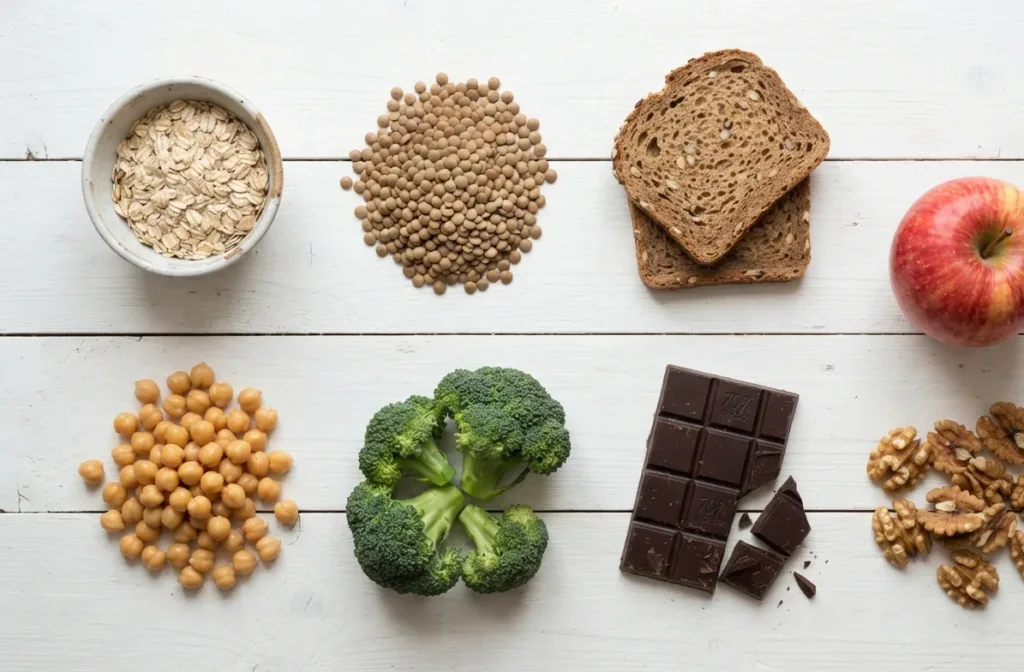
Whole grains have decades of robust evidence behind them, including lower cardiovascular and cancer mortality. Here’s what they actually are, why they work, and how to eat more of them.
Food combining theory has circulated for a century, but digestive physiology doesn’t support most of its specific claims. Here’s what’s actually going on.
Electrolytes affect far more than muscle cramps. Here’s what sodium, potassium, and magnesium actually do, and when plain water genuinely isn’t enough.
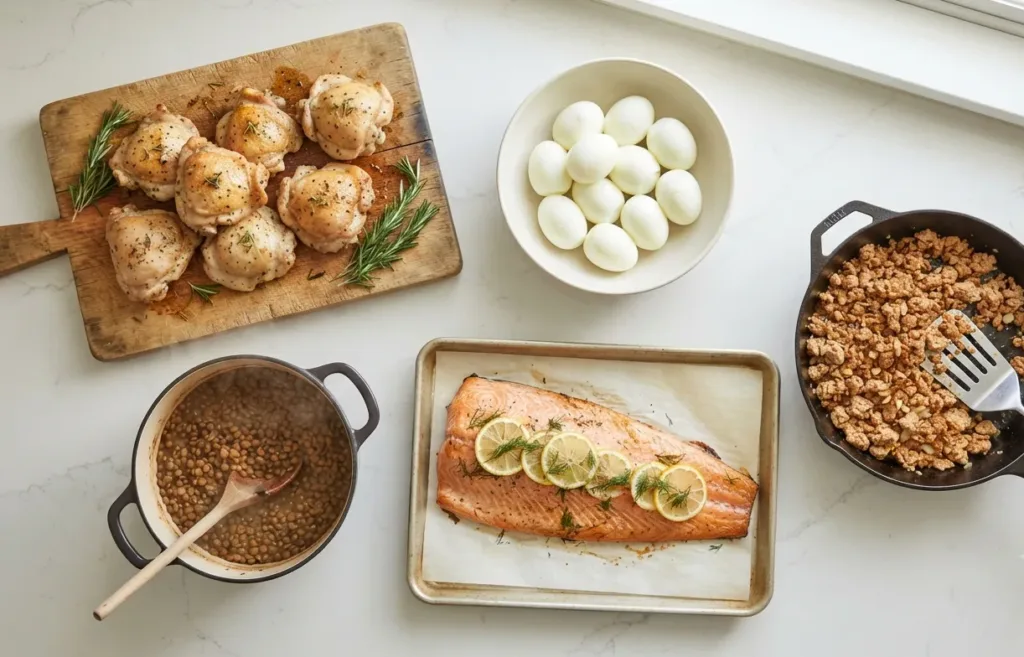
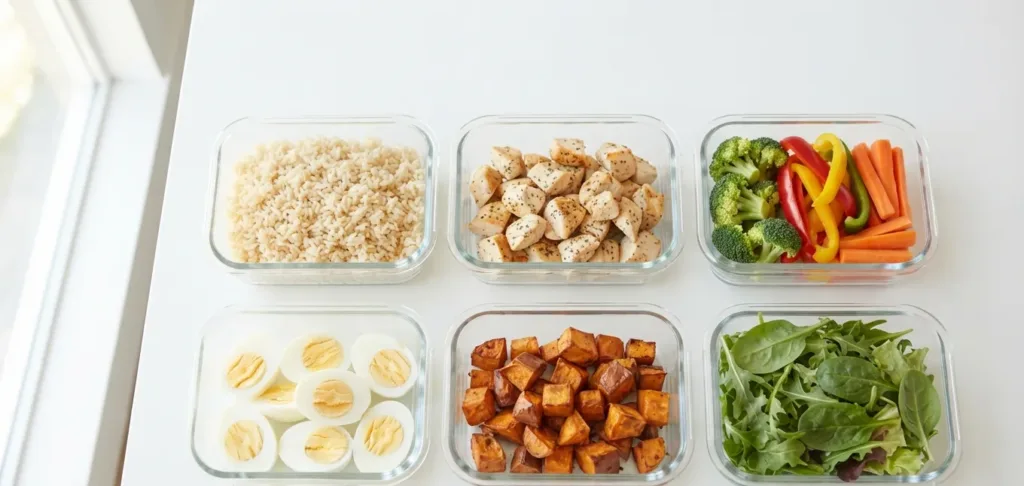
Batch cooking protein removes the longest, most hands-on part of dinner. Here’s how to do it well, store it properly, and keep it from feeling repetitive.
Hidden sugar shows up in foods that have no business tasting sweet — sauces, bread, dressing, even savory snacks. Here’s where to actually check.
Caffeine’s half-life is longer than most people realize, and the effects on sleep quality persist even after the jittery feeling wears off. Here’s what’s actually happening.
Restaurants are built for flavor and repeat visits, not portion control. Here’s how to navigate menus, bread baskets, and oversized plates without turning dinner into a battle.
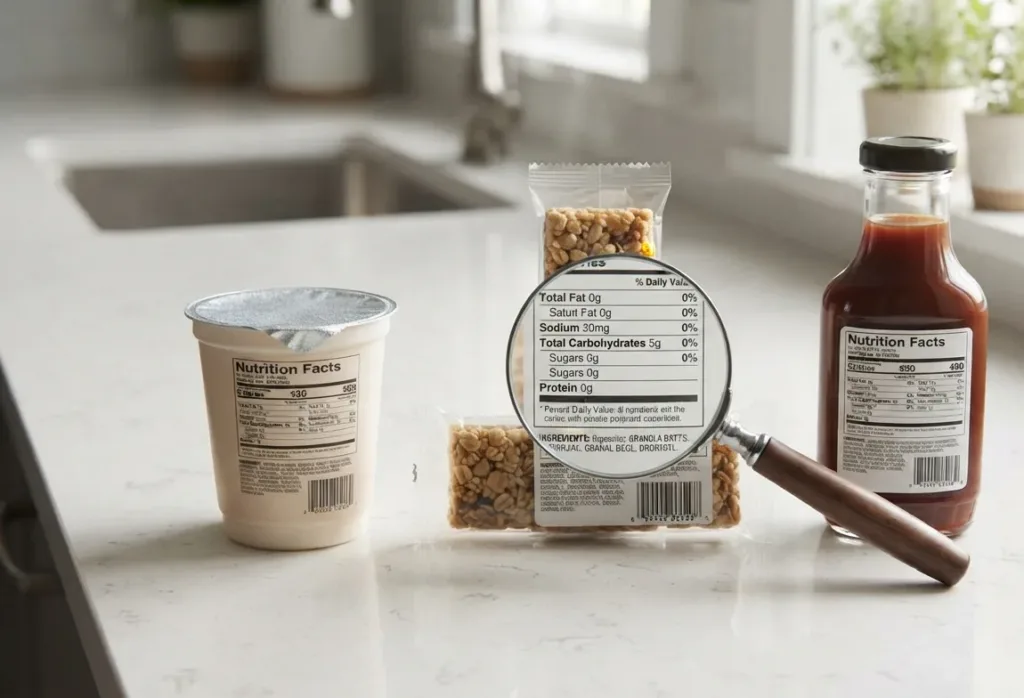
Most people glance at the calorie count and move on. Here’s what the rest of the nutrition label actually tells you, and how to use it to compare products quickly.
Most meal plans fail within two weeks because they’re too rigid for real life. Here’s a more forgiving approach built around components instead of complete meals.